
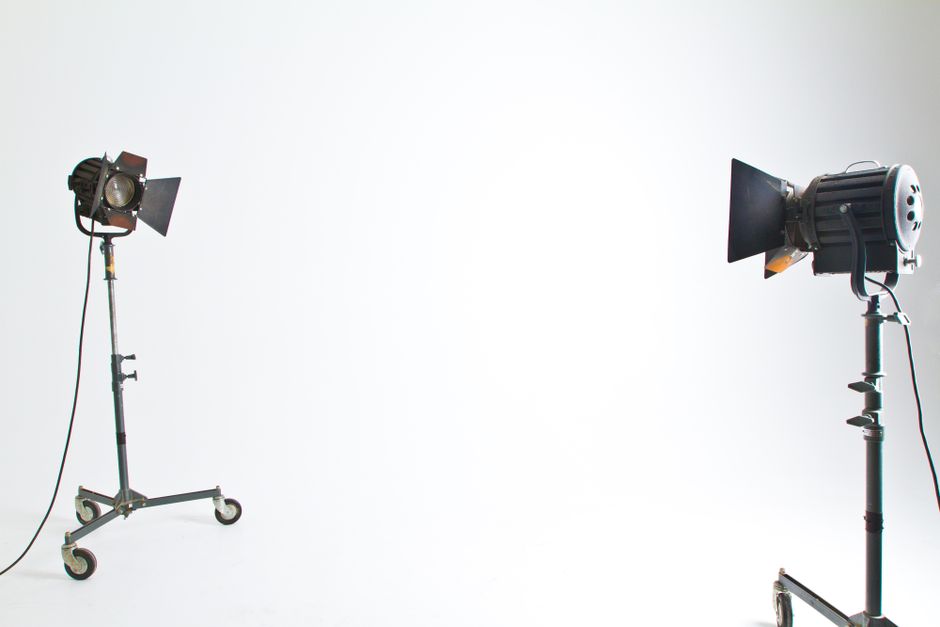
In the world of photography, lighting is everything. It can make or break an image, transforming a simple snapshot into a breathtaking work of art. Whether you’re a seasoned professional or a budding enthusiast, understanding the nuances of photography lighting is crucial for capturing stunning images. This guide will delve into the essential lighting equipment you need and how to use it effectively to elevate your photography game.
Understanding Natural Light
Natural light is one of the most powerful tools in a photographer’s arsenal. It varies throughout the day, creating different moods and effects. Early morning and late afternoon, often referred to as the golden hours, provide soft, diffused light that is ideal for portrait and landscape photography. To harness natural light effectively, pay attention to the direction and quality of light, and consider using reflectors to bounce light onto your subject for a more flattering effect.
However, natural light can also be unpredictable. Overcast days can create a soft, even light that is perfect for capturing details without harsh shadows. On the other hand, direct sunlight can lead to overexposed highlights and deep shadows. Learning to adapt to these changing conditions is key. Always be prepared to adjust your settings and composition to make the most of the available light.
Essential Lighting Equipment
Investing in the right lighting equipment can significantly enhance your photography. A good starting point is a versatile speedlight or external flash. These devices allow you to control the intensity and direction of light, making them invaluable for indoor and outdoor shoots. Additionally, consider purchasing a softbox or umbrella to diffuse the light, creating a softer and more flattering illumination for your subjects.
Another essential piece of equipment is a light meter. This tool helps you measure the light in your environment, ensuring that your exposure settings are accurate. Understanding how to use a light meter can save you time in post-processing and help you achieve the desired look in-camera. Remember, the right equipment can make a significant difference, but it’s your creativity and technique that will truly set your work apart.
Using Artificial Lighting
Artificial lighting opens up a world of creative possibilities. Continuous lights, such as LED panels, provide a constant source of illumination, allowing you to see how the light affects your subject in real-time. This can be particularly useful for video work or when shooting in a controlled environment. Experimenting with different light sources can lead to unique and captivating results.
When using artificial lighting, consider the color temperature of your lights. Mixing different light sources can create unwanted color casts in your images. To maintain consistency, use lights with the same color temperature or adjust your camera settings accordingly. Additionally, using gels can help modify the color of your lights, allowing you to create dramatic effects or match ambient light sources.
Mastering Light Placement
The placement of your light source is crucial in determining the mood and impact of your images. Front lighting can create a flat look, while side lighting adds depth and dimension. Experimenting with backlighting can create stunning silhouettes or highlight the translucency of certain subjects, such as leaves or fabrics. Understanding how to manipulate light placement will allow you to tell a story through your images.
Don’t forget about shadows! Shadows can add drama and interest to your photos. Learning to control shadows through light placement can elevate your photography to new heights. Always be mindful of how shadows interact with your subject and the overall composition of your image.
Checklist:
To get started with photography lighting, here’s a quick checklist: 1. Assess your natural light conditions before shooting, 2. Invest in a speedlight and softbox for versatility, 3. Experiment with light placement to find your unique style.
By following these guidelines and continuously experimenting with different lighting techniques, you’ll be well on your way to capturing stunning images that stand out. Remember, the key to great photography lies not just in the equipment you use, but in your ability to see and manipulate light creatively. Embrace the challenge and let your creativity shine!